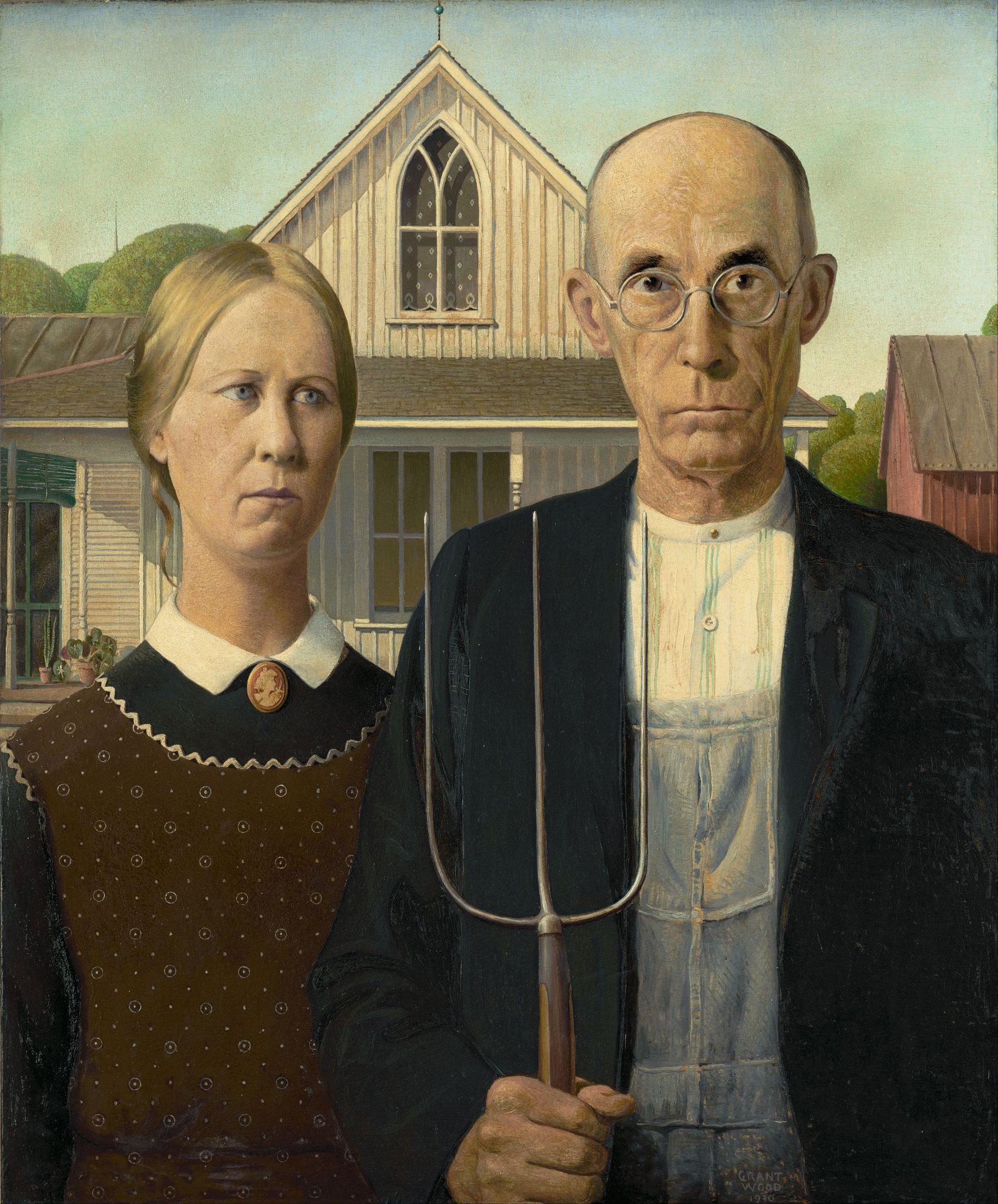
Grant Wood’s 1930 masterpiece American Gothic is one of the most famous – and debated – images in American art. Depending on who you ask, it is either an affectionate tribute to Midwestern grit or a quiet satire of provincial narrow-mindedness. Wood himself maintained that it was meant as an homage to the people he grew up with, though he left enough ambiguity for both readings to hold weight.
I can’t think of any artists who might explore that ambiguity a century later, can you?!
The Key Elements & Symbolism
Each and every detail in the composition works together to build a sense of rigid, unyielding tradition:
- The Gothic House: The painting’s title comes directly from the architecture in the background. The Dibble House in Eldon, Iowa. Wood was struck by the absurdity of putting a fancy, European-style Gothic arched window on a modest, fragile wooden cottage. It suggests a attempt to project dignity, piety, and European heritage in the middle of rural Iowa.
- The Relationship: Popular culture often assumes the couple are husband and wife, but Wood specified they are a father and unmarried daughter. The figures were modeled by Wood’s dentist, Dr. Byron McKeeby, and his sister, Nan Wood Graham, though they were painted separately and never posed together in front of the house.
- The Pitchfork & Strikethrough Patterns: The three-pronged pitchfork held firmly by the father represents manual labor and protection of the homestead. Look closely at the father’s denim overalls: the stitching echoing the pitchfork’s shape is repeated in the seam of his shirt and the window frame above.
- Attire and Demeanor: The woman wears a colonial-print apron and a cameo brooch, signaling modesty, tradition, and domestic duty. Her severe haircut and sideways glance contrast with the man’s stern, direct stare, suggesting a world governed by strict religious and social codes.
What was it that grabbed me?
The narrative and the ambiguity of it that allows you to draw your own conclusions, and those conclusions have shofted markedly over the intervening years.
It was painted right after the 1929 stock market crash at the onset of the Great Depression, the painting’s reception shifted drastically over time:
- Initial Backlash (1930): When the painting was published in the Chicago Evening Post, many Iowans were furious. They felt Wood was mocking them as grim, backward puritans. One farmer’s wife famously threatened to bite Wood’s ear off.
- National Symbol of Resilience: As the Great Depression deepened, the public began viewing the pair differently. Rather than rigid zealots, the couple came to represent the enduring, steadfast spirit of rural Americans who could survive hard times through stoicism and hard work.
How does this approach inform my style?
Wood’s work was based on the belief that art should ground itself in the quiet, specific realities of a particular location rather than abstract ideals imported from elsewhere.
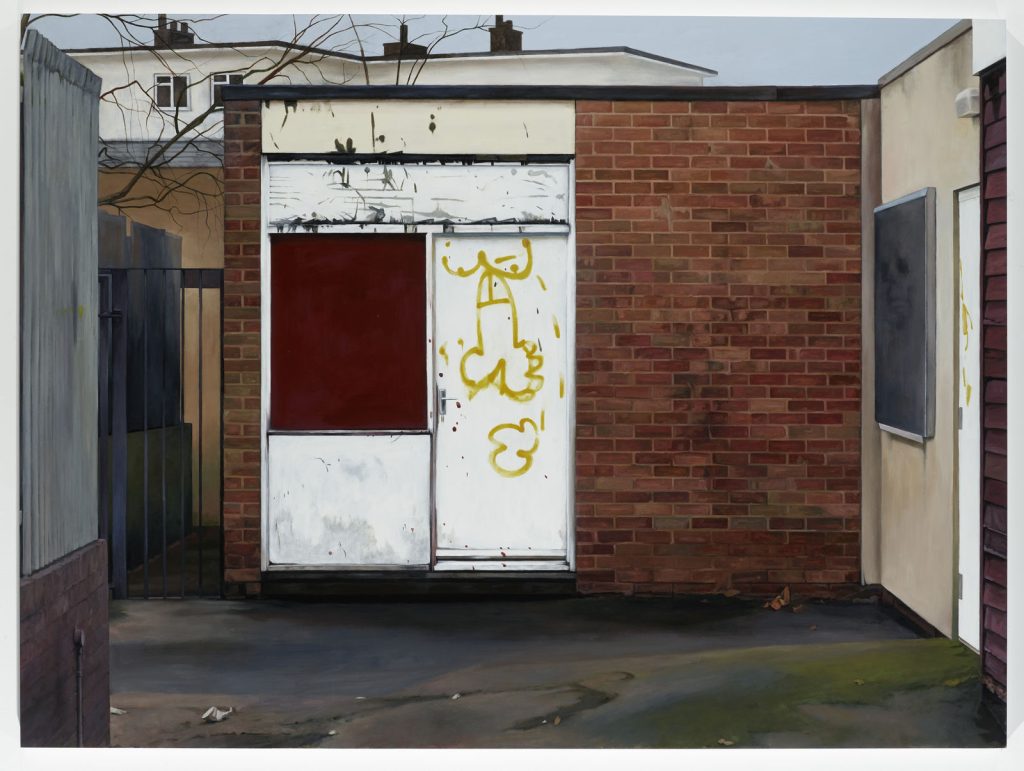
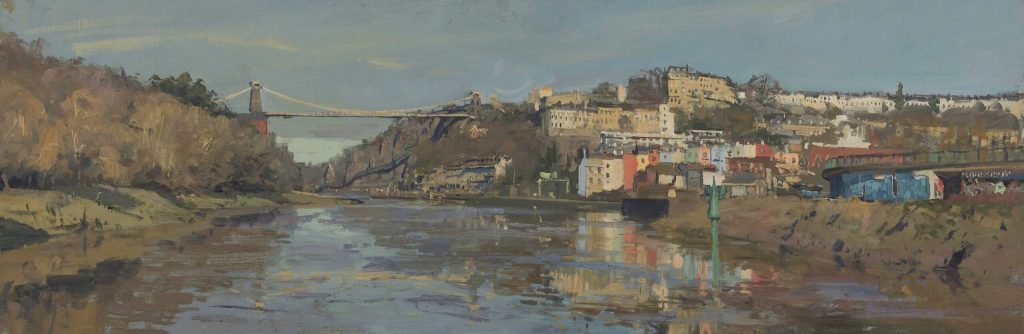
Most of my work is grounded in Bristol, and the everyday – rather than sanitised versions of that reality.
His work has moved me so much that I am honouring it within the Panopticon Series.
About Grant Wood
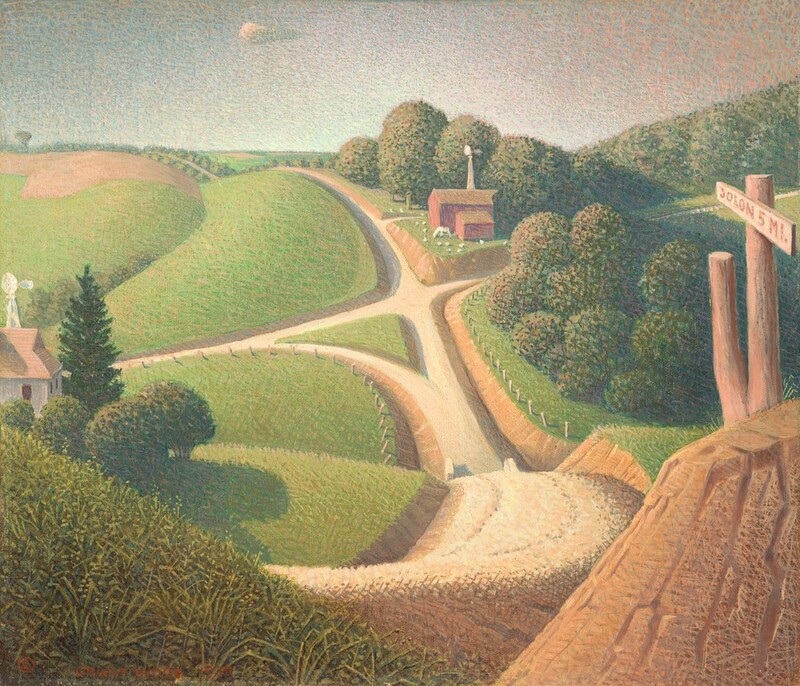
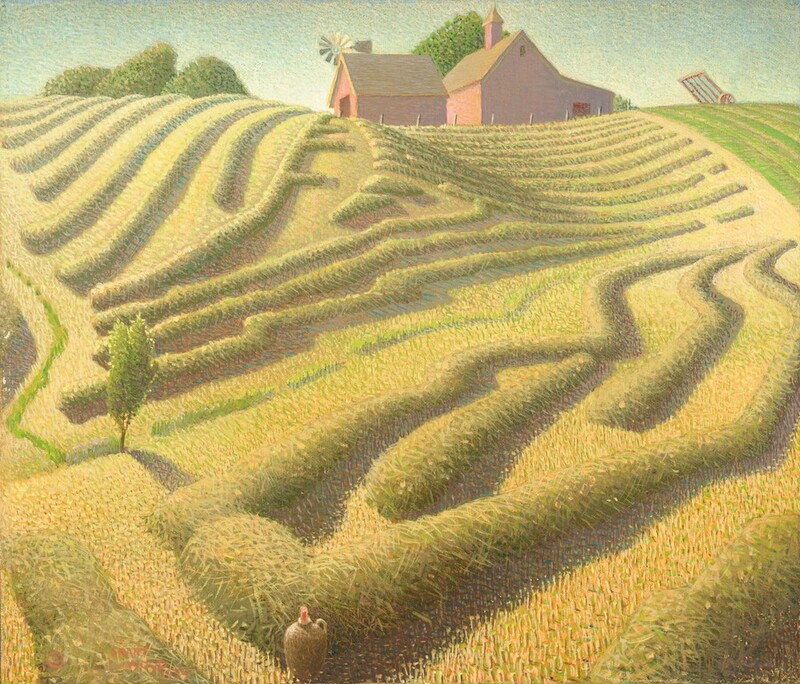
Grant Wood advocated for art based on what he called “an American way of looking at things.” Along with Thomas Hart Benton and John Steuart Curry, he was one of the primary artists associated with Regionalism, an approach to painting marked by an emphatically realist approach as well as by subject matter drawn from rural American life and its landscape.
Though he lived in his native Iowa for most of his life, his early travels to Europe were formative: a 1928 stay in Munich left him deeply impressed by the precision and lucidity of Northern Renaissance art.